


The Ultimate Guide to Succeeding as a Private Chef

Starting a career as a private chef offers a unique blend of creativity, independence, and personal connection with clients. Unlike working in a restaurant kitchen, private chefs craft personalized menus, manage their own schedules, and build close relationships with those they serve. However, success in this field requires more than just cooking skills. This guide will walk you through the essential steps and practical advice to thrive as a private chef.
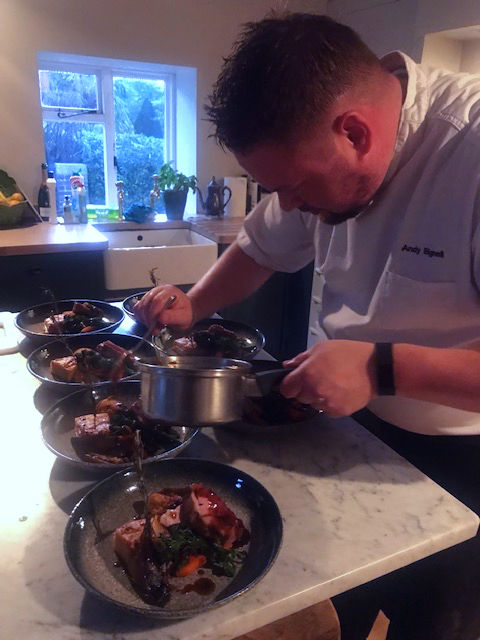
Understanding the Role of a Private Chef
A private chef prepares meals exclusively for individuals, families, or small groups, often working in clients' homes or private venues. This role demands flexibility, discretion, and a deep understanding of clients' tastes and dietary needs. Unlike chefs in commercial kitchens, private chefs often handle menu planning, grocery shopping, cooking, and kitchen cleanup independently.
Key Responsibilities
Designing customized menus based on client preferences and dietary restrictions
Purchasing fresh ingredients and managing kitchen inventory
Preparing meals for daily consumption or special events
Maintaining cleanliness and organization in the kitchen
Adapting to last-minute changes or special requests
Building Culinary Skills and Knowledge
Strong cooking skills are the foundation of any chef’s career. For private chefs, versatility is crucial because you may be asked to prepare a wide range of cuisines and dishes.
Tips to Enhance Your Culinary Expertise
Train in diverse cuisines: Learn basics of Italian, French, Asian, and other popular cuisines.
Stay updated on food trends: Incorporate healthy, plant-based, or allergen-free options.
Practice presentation: Meals should look as good as they taste.
Understand nutrition: Tailor meals to support clients’ health goals.
Consider enrolling in culinary courses or workshops to sharpen your skills. Many private chefs also benefit from certifications in food safety and nutrition.
Finding and Retaining Clients
Success depends heavily on building a loyal client base. Finding clients can be challenging at first, but with the right approach, you can establish a steady stream of work.
Ways to Find Clients
Network within local communities and culinary circles
Partner with event planners, nutritionists, or personal trainers
Use online platforms dedicated to private chefs
Ask satisfied clients for referrals
Building Client Relationships
Communicate clearly about expectations and preferences
Be punctual and professional
Show flexibility and willingness to accommodate special requests
Keep client information confidential and respect privacy
Managing Your Business
Running your private chef career like a business helps ensure long-term success. This includes setting fair prices, managing finances, and organizing your schedule.
Pricing Your Services
Consider factors such as ingredient costs, preparation time, travel, and special requests. Research local market rates to stay competitive. You might charge per meal, per hour, or offer package deals for weekly service.
Organizing Your Schedule
Private chefs often juggle multiple clients or events. Use calendars and reminders to keep track of appointments, shopping trips, and cooking times. Planning ahead reduces stress and improves service quality.
Handling Supplies and Equipment
Invest in quality kitchen tools and maintain them well. Keep a checklist of staples and specialty items to avoid last-minute shortages. Some clients may provide kitchen equipment, but having your own ensures consistency.
Adapting to Challenges
The private chef role comes with unique challenges. You may face unpredictable schedules, dietary complexities, or high client expectations.
Dealing with Dietary Restrictions
Clients may have allergies, intolerances, or specific diets such as keto, vegan, or gluten-free. Research ingredients thoroughly and communicate openly about substitutions or menu changes.
Managing Work-Life Balance
Since private chefs often work in clients’ homes, boundaries can blur. Set clear working hours and communicate availability to avoid burnout.
Handling Feedback
Constructive criticism helps you improve. Listen carefully, thank clients for their input, and adjust your approach when needed.
Growing Your Career
Once you establish yourself, consider ways to expand your services or increase your income.
Specialize in a Niche
Focus on areas like organic cooking, ethnic cuisines, or meal prep for athletes. Specialization can attract clients seeking specific expertise.
Offer Cooking Classes or Workshops
Sharing your knowledge can supplement income and build your reputation.
Collaborate with Other Professionals
Work with nutritionists, event planners, or wellness coaches to offer comprehensive services.
Private Chef Oxfordshire, Private Chef London, Private Chef Hampshire, Private Chef Berkshire, Private Chef Surrey. Private Chef, Personal Chef
• private chef prices UK
• hire a private chef
• event catering services
• dinner party chef
• bespoke dining experience
• personal chef for hire
• catering for special occasions
• luxury home dining
• professional catering
• private chef booking
Bài viết này ngắn gọn mà dễ hiểu thật, mình đọc liền một lượt là nắm được ý, cảm ơn bạn đã chia sẻ. Mình cũng có thói quen xem thống kê XSMB mỗi ngày, nhưng hồi trước cứ phải mở nhiều chỗ khác nhau nên hơi mất công. Về sau mình tự gom lại cho tiện, lúc cần chỉ việc mở ra xem nhanh, đỡ phải nhớ hôm nay đã tra ở đâu. Mình để chung một nơi trên soicau247.com để theo dõi cho gọn, nhất là những lúc bận không có thời gian ngồi lọc từng nguồn. Ai cũng hay cập nhật số liệu theo ngày như mình thì có thể tham khảo ở đây: https://soicau247.com/xo-so-vinh-long-xsvl.html.