


Private Chef Jobs London UK: A 2024 Guide to Opportunities

If you’re looking for private chef jobs in London and the UK, you’ve picked a great time. The market is absolutely booming. For skilled chefs, this means a flood of exceptional opportunities for personalised, in-home dining roles. But landing these top-tier jobs means understanding the scene, showing off the right skills, and knowing exactly where the most exclusive openings are hiding. I publish daily content like this to help chefs navigate their careers, so be sure to check back for more insights.
The Booming Market for Private Chefs in London

I’ve seen it firsthand—the demand for private chefs in London is stronger than ever. More and more high-net-worth individuals and their families are choosing bespoke culinary experiences at home over going out to restaurants. They want the intimacy and customisation that only a #privatechef can provide, and that shift is creating a massive need for talent across the capital and beyond.
This isn't just a passing fad. It’s a real change in how #luxurydining is experienced. Clients aren't just after a meal; they want a story and a service that fits seamlessly into their lifestyle. That’s where a good personal chef becomes absolutely essential.
What's Driving the Growth?
A few things are feeding this demand. Since the pandemic, many people have discovered how comfortable and exclusive it is to host incredible events at home. There's also a much bigger focus on health, wellness, and very specific dietary needs, which makes a private chef’s ability to create perfectly tailored menus incredibly valuable.
The numbers back this up. The UK’s personal chef services market pulled in USD 607.0 million in 2024 and is expected to hit USD 873.6 million by 2030. This growth is especially sharp in London, where demand shot up by 40% between 2021 and 2023.
This all means that now is the perfect time to either jump into this world or take your career to the next level. The roles aren't just financially rewarding; they offer a level of creative freedom that’s hard to find in the rigid structure of a restaurant kitchen. You can find more of my thoughts on this and other industry trends over on my blog.
The modern private chef is far more than a cook—they are a curator of experiences. Success comes from blending culinary artistry with total discretion and a genuine understanding of the client's world. This is the new standard for the best roles out there.
Understanding What's Expected
To really make your mark, you have to get what's truly required. High-end private chef jobs in London, UK, demand a polish and professionalism that goes way beyond the food on the plate. It's about flawless kitchen management, sourcing the absolute best ingredients, and maintaining complete and total confidentiality.
It’s a demanding role. One day you might be creating an intimate gourmet dinner party, and the next you’re managing the catering for a much larger luxury event. This kind of adaptability is non-negotiable. You have to present yourself not just as a culinary expert, but as a trusted and indispensable part of a household’s private staff.
The Skills and Qualifications That Set You Apart

Time in a restaurant kitchen gives you a solid base, but landing the best private chef jobs London UK demands a whole different playbook. High-net-worth clients and the family offices that represent them aren’t just looking for a good cook; they're looking for a unique blend of culinary mastery, the right paperwork, and those crucial soft skills that show you can operate flawlessly inside a private home.
It really isn’t just about what you can cook. It’s about how you carry yourself. Every single interaction, from that first menu chat to the final post-dinner cleanup, is a subtle test of your professionalism and discretion.
The Non-Negotiable Foundations
Before a potential client even thinks about tasting your food, they need to see you’re a qualified, safe professional. Let's be clear: certain qualifications are just expected in the UK market. Don't even think about applying for roles until you have these sorted.
A Food Safety & Hygiene Level 3 certificate is the absolute baseline. This isn't just a box-ticking exercise; it proves your commitment to the highest standards of cleanliness, which is everything when you're working in someone's personal kitchen.
On top of that, a full, clean UK driving licence is often essential. Many roles, especially outside central London or those involving travel between properties, will need you to source ingredients or move equipment yourself. Being mobile massively expands your job opportunities.
Your Culinary Background and Experience
Your CV tells a story, and some stories are more compelling than others in this line of work. While not strictly mandatory, experience in certain high-pressure, high-quality environments gives you a serious edge.
Michelin-Star Kitchens: Time in a Michelin-starred restaurant signals that you thrive under pressure and have a relentless eye for detail and consistency. A client sees this on your CV and immediately has a higher level of trust in your technical skills and dedication to #finecuisine.
Superyacht Experience: Chefs who've worked on superyachts are gold dust. This background proves you can manage provisions for long stretches, work in tight spaces, and cater to a discerning international clientele with total grace and flexibility.
Diverse Cuisines: London is a global hub, and the palates here are just as worldly. Showcasing genuine expertise in multiple cuisines—from refined Japanese to modern European or authentic Mediterranean—makes you a much stronger candidate for a wider range of private chef jobs.
The Soft Skills That Seal the Deal
Your cooking skills might get you a trial, but it’s your soft skills that will get you hired and, more importantly, keep you there. In the world of private service, how you conduct yourself is every bit as important as the #gourmetfood you produce. These are the traits that truly separate the good from the great.
A private chef must be a ghost in the house—present when needed, invisible when not. Discretion isn't a skill; it's a code of conduct. This is the cornerstone of trust with any high-profile client.
Adaptability is another one. A client might change the guest count at the last minute or have a sudden craving for a dish you hadn't planned. Your ability to pivot calmly and still deliver flawlessly is what turns a one-off dinner party into a long-term contract. To get a better sense of how this works in practice, you can explore the different types of private chef services to see how flexibility is built into the client relationship.
Finally, never underestimate communication. This means truly listening during consultations to understand a client's tastes, allergies, and the exact vibe they want. It also means communicating clearly and respectfully with other household staff to make sure everything runs like clockwork. Your job is to make the client's life easier, and that always starts with clear, professional dialogue. It's a key part of #chefslife in private households, a skill just as vital as any #chefskills with a knife.
#privatechef #personalchef #luxurydining #chefsofinstagram #privatechefservices #hireaprivatechef #chefslife #finecuisine #gourmetfood #privatecatering #eventcatering #foodphotography #chefstable #dinnerpartychef #ukprivatechef #bristolchef #luxuryevents #foodstagram #instafood
Building a Portfolio That Captures Attention
When you're aiming for the most sought-after private chef jobs in London and the UK, your skill in the kitchen is only half the battle. Your CV and portfolio are what get your foot in the door. They need to do more than just list where you've worked; they have to tell a compelling story about your creativity, professionalism, and, most importantly, your fit for the unique world of private service.
A generic restaurant CV just won't cut it here. Trust me. Recruiters and family offices spend mere seconds scanning applications, so yours has to immediately show why you’re the right person for the job. This means shifting the narrative away from managing a big team or high-volume service and focusing instead on discretion, adaptability, and delivering bespoke #finecuisine in a private home.
Crafting a CV for the Private Sector
Your private chef CV needs a completely different focus. The qualities that high-net-worth clients and their representatives look for are not the same as a restaurant's. Instead of leading with how many covers you did on a Saturday night, you need to highlight your ability to design personalised menus, navigate complex dietary needs, and operate with absolute confidentiality. It's a subtle but critical change in emphasis.
Think about how you frame your past achievements. "Managed a team of 10 chefs" doesn't land the same way as, "Solely responsible for all culinary operations within a private residence, from bespoke menu design and budget management to sourcing for high-profile events." The second one speaks directly to the autonomy and trust required of a #personalchef.
The best private chef CVs read less like a work history and more like a case study in excellence and trust. They paint a picture of a chef who not only cooks beautifully but can integrate seamlessly and silently into the fabric of a private home.
To build a CV that truly gets noticed, you’ll want to concentrate on these key areas:
A Professional Summary: Kick things off with a powerful, concise paragraph. It should define your culinary style, note your experience with private clients (or in similar high-end environments like superyachts), and state your commitment to discretion.
Key Skills Section: This is your highlight reel. Use bullet points for specific skills like "Bespoke Menu Curation," "Advanced Dietary Knowledge (Vegan, Gluten-Free, Kosher)," "Household Budget Management," and "International Travel Experience."
Experience with Context: Don't just say what you did; explain how you did it. For each role, mention working directly with principals, managing any residential staff, and your knack for sourcing from exclusive suppliers.
The table below really breaks down the key differences you should be focusing on.
Private Chef CV vs Restaurant Chef CV
When you're updating your CV, you're essentially changing its entire focus. A restaurant CV is about proving you can handle pressure and volume in a commercial setting. A private chef CV is about proving you can deliver a discreet, personalised, and flawless culinary experience within a private home. Here's a quick comparison.
CV Section | Restaurant Chef Focus | Private Chef Focus |
|---|---|---|
Summary | Managing high-volume service and a large brigade | Creating bespoke, confidential dining experiences |
Experience | Covers per night, team size, restaurant accolades | Client dietary needs, event types, travel, and budget control |
Skills | Stock control, speed of service, team leadership | Discretion, adaptability, menu personalisation, and sourcing |
As you can see, the language and metrics are completely different. Tailoring your CV this way shows you understand the nuances of the private sector, which puts you miles ahead of the competition.
Designing a Visually Stunning Portfolio
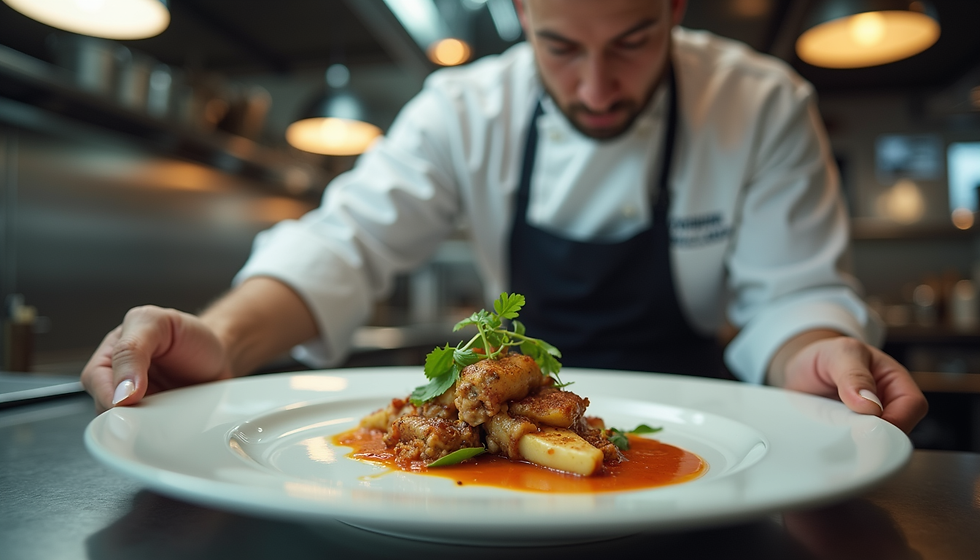
If the CV is about your professionalism, your portfolio is where your food truly comes alive. It's the visual proof of your culinary identity and your best tool for showcasing your #foodphotography and plating skills. A great portfolio lets a potential client imagine your food on their own #chefstable.
High-quality images are completely non-negotiable. Grainy, poorly lit phone snaps will do you more harm than good. It's genuinely worth investing in a single session with a professional food photographer to get a core set of stunning images of your best work. These visuals are your primary weapon for making a memorable first impression. For some ideas on how to build a powerful visual story, take a look at how a well-curated private chef gallery is presented.
Your digital portfolio, whether it's a personal website like www.chefandyb.com or a PDF, should be clean, easy to navigate, and look great on a mobile phone. Mix it up with beautiful dish photos, sample menus tailored to different scenarios (e.g., "Summer Dinner Party," "Family-Style Weekend Lunch"), and maybe even a short, professional video of you in your element. It’s not just about the final plate; it's about showing the passion and process behind your #gourmetfood. This is your chance to really shine.
Finding the Best Private Chef Opportunities
So, you’re ready to land one of the top private chef jobs London UK has to offer. But where do you even begin? The best roles aren’t usually plastered over public job boards. They’re filled quietly, through specialist networks and trusted relationships.
Knowing where the gatekeepers are is half the battle. Your cooking skills are your foundation, of course, but your ability to network and position yourself correctly is what will truly open the most exclusive doors. It's about being proactive, not just sending out a CV into the void.
Navigating Specialist Recruitment Agencies
The most direct route into high-calibre households is often through a specialist recruitment agency. These aren’t your typical high-street recruiters; their entire world revolves around private household staff. They have deep-rooted connections with high-net-worth families, family offices, and estate managers across London and the home counties.
Getting onto their books is a crucial first step. Agencies like Silver Swan, Greycoat Lumleys, and Polo & Tweed are the names you need to know. They vet their chefs thoroughly, but once you’re in, you get a backstage pass to a hidden market of unadvertised positions.
The Power of Professional Networking
Beyond the agencies, your personal network is probably your most valuable asset in this game. The private service world is surprisingly small, and your reputation is everything. Building strategic connections on platforms like LinkedIn is a must. Start by following and engaging with luxury lifestyle brands, family office consultants, and other established private chefs.
A polished LinkedIn profile that showcases your #chefskills with high-quality #foodphotography and professional experience can attract direct enquiries. Don't just let it sit there – post about your culinary philosophy or a recent successful #eventcatering gig. This shows you’re an active and passionate professional, not just another name on a list.
This is where having the right assets comes into play. You need to be ready to present yourself professionally at a moment's notice.

It boils down to three key things: a professional CV that tells your story, stunning visuals of your food, and actively getting those assets in front of the right people.
Connecting with the Gatekeepers
While agencies are fantastic, the long-term goal is to build your own direct relationships with the people who actually make the hiring decisions. These are the key players you want to connect with:
Estate Managers: They run large properties and are usually the first port of call for any new staffing needs.
Family Offices: These are the private wealth management firms that handle absolutely everything for affluent families, and that includes hiring household staff.
Luxury Concierge Services: Companies like Quintessentially are always on the lookout for top-tier chefs for their clients' short-term gigs and long-term placements.
Building trust with a single estate manager or family office representative can lead to more opportunities than a hundred cold applications. These relationships are built on professionalism, reliability, and word-of-mouth referrals.
Building Your Personal Brand
In this market, you are your brand. A strong personal brand can attract clients directly, sometimes letting you skip the agencies altogether. This is where having your own professional website becomes non-negotiable. A site like my own at www.chefandyb.com is my digital portfolio, my point of contact, and a clear statement of my culinary identity. It shows potential clients that you take your career seriously.
By consistently sharing your work on social media with hashtags like #privatechefservices, #ukprivatechef, and #hireaprivatechef, you make yourself discoverable. A potential client in London might be searching for inspiration for their next #luxuryevents and stumble upon your #instafood profile.
You can get a better sense of how I approach this and structure my client relationships by checking out the details of my private chef services.
Ultimately, finding the best private chef jobs in London is a mix of old-school networking and modern personal branding. If you stay proactive and strategic, you can position yourself to be found by the exact clients you want to work for.
Mastering the Interview and Cooking Trial

So, your CV and portfolio have landed you an interview. Well done. Now comes the real test: the interview and the cooking trial. This is where you move from paper to practice, proving you have the culinary chops and the professional poise to match. For the top private chef jobs London UK has available, this stage separates the great from the merely good.
Forget the rigid, formal interviews you've had for restaurant gigs. This is a much more personal affair. They're not just looking at your technical #chefskills; they're trying to picture you in their home. It's as much about character and chemistry as it is about your craft.
Navigating the Client Interview
The first chat, whether it's directly with the client, their PA, or an estate manager, is all about building rapport. Of course, your experience matters, but what they’re really searching for is confidence, discretion, and a calm, collected personality.
You can expect questions that probe your culinary philosophy and how you handle pressure.
"Talk me through your process for creating a new menu for a client."
"What would you do if there was a last-minute menu change or an unexpected guest?"
"Give me an example of a time you managed a particularly difficult dietary request."
"How do you approach confidentiality and discretion within a private home?"
Don't just give textbook answers. Use real stories from your past experiences to show them you're a reliable and adaptable professional. They want to see your thought process and feel reassured that you're the safe pair of hands they need.
Executing a Flawless Cooking Trial
The cooking trial is your time to shine. It's a live performance where your #finecuisine skills are put to the test in a kitchen that isn't yours. Success comes down to three things: meticulous planning, clear communication, and impeccable execution. From the second you walk through the door, you're on show.
It usually kicks off with a menu discussion. This is a crucial moment. Listen intently to the client's likes, dislikes, favourite dishes, and allergies. This is your chance to show off your knowledge while making them feel completely heard. Presenting a few well-considered menu concepts, similar to what you might find on a professional private chef menu page, shows you're versatile and have come prepared.
This trial is also a test of your logistics. You’ll be in charge of sourcing every single ingredient, so your supplier knowledge and commitment to quality are on full display. The client's kitchen might not be the professional setup you're used to, so be ready to adapt. If you can, a quick pre-trial visit or a detailed chat about their equipment can save you from any nasty surprises.
The point of a cooking trial isn’t just to cook a great meal. It’s to show the client what life would be like with you as their chef—calm, organised, delicious, and completely stress-free. You leave the kitchen cleaner than you found it.
Handling Diverse Cuisine Requests
The London market is a global melting pot, and clients expect a chef who can confidently navigate international flavours. Research shows that cuisine preferences in the UK have a major international influence, making up 37.03% of the market's revenue in 2024. Being able to deliver authentic global dishes during a trial is a massive advantage. If you want to dig into the numbers, you can explore the full research on personal chef services.
The Pre-Trial Checklist
To keep your head clear and focus on your craft, a solid checklist is your best friend.
Confirm Menu & Diets: Get the final menu and all dietary restrictions confirmed in writing at least 48 hours beforehand.
Ingredient Sourcing Plan: Know exactly where you're buying everything. No last-minute scrambles for quality produce.
Kitchen Assessment: Ask about the oven, hobs, and key equipment. Always bring your own essential kit (knives, microplane, thermometer).
Immaculate Presentation: Your chef whites must be spotless. Your appearance is a direct reflection of your standards.
Timing Plan: Create a detailed prep schedule by working backwards from the moment you need to serve.
Clean-As-You-Go Mentality: Your workspace should be tidy throughout the trial. Leave their kitchen immaculate.
By nailing both the conversation and the cooking, you're proving you are more than just a chef. You’re showing you are the complete package: a professional ready to deliver exceptional #dinnerpartychef experiences and fit seamlessly into their life. #chefsofinstagram
Final Advice: Your Questions Answered
Right, you've got the basics down, but there are always those lingering questions that pop up just as you're about to take the leap. It's completely normal. I get asked these all the time by chefs looking to break into private work.
Think of this as a final chat before you dive in. We'll cover the big three: money, the legal stuff, and how to actually make the jump from a restaurant kitchen.
What Can I Realistically Earn as a Private Chef in London?
This is usually the first question on everyone's mind, and for good reason. The answer is pretty encouraging: your earning potential is often much higher than in a typical restaurant role, but it really does depend on the gig and your background.
For a permanent, full-time job in a London household, you're looking at a salary between £60,000 and over £100,000 a year. That top figure is generally for chefs with serious pedigree – think Michelin-star kitchens or superyacht experience – working for very high-profile clients.
Freelance work is a different ball game. A typical day rate in London for a dinner party might start around £350. For high-pressure events, multi-day bookings, or when you're cooking for UHNW individuals, that can easily climb to £1,000+ per day. And remember, that's just your fee – the cost of ingredients is billed on top.
Your ability to negotiate is everything. It's not just the salary or day rate. Discussing benefits like health insurance, paid holiday, travel expenses, and potential bonuses for permanent roles can add a significant amount to your overall package.
A few things will directly impact what you can charge:
Your CV: A history working in a 3-Michelin-star restaurant simply commands a higher rate than experience from a local bistro. It's a fact of the market.
Specialist Skills: If you have deep expertise in something niche and in-demand, like complex Japanese cuisine or advanced dietary and nutritional cooking, you're a much more valuable asset.
The Client: Working for a public figure or a globally recognised family often comes with a premium. The job demands absolute discretion and round-the-clock flexibility, and the pay reflects that.
Ultimately, you have to know and set your own value. As your reputation for delivering flawless #luxurydining and #finecuisine grows, your earning power will grow right alongside it.
What Are the Legal Requirements for Chefs Working in the UK?
Getting your legal house in order isn't just a good idea; it's non-negotiable. Whether you're from the UK or an international chef dreaming of a London career, you have to be compliant from day one.
The absolute first step is ensuring you have the legal right to work in the UK. For anyone who isn't a UK national, this usually involves getting the right visa. The Skilled Worker visa is a common path for experienced chefs, but it has very specific requirements and you'll need a sponsor. Do your homework on the official UK government website – don't cut corners here.
Once that's sorted, especially for freelance work, you'll be operating as self-employed. This means a few key administrative tasks are on you:
Registering with HMRC: As soon as you start trading, you must register as a sole trader with His Majesty's Revenue and Customs (HMRC). This is how you'll handle your Income Tax and National Insurance.
Public Liability Insurance: This is absolutely essential. It protects you if you accidentally injure someone or damage their property while on a job. Honestly, no serious client or agency will even consider hiring you without it.
Basic Bookkeeping: Get into the habit of keeping meticulous records of every penny in and every penny out. This makes filing your annual Self Assessment tax return a thousand times easier and ensures you're claiming all the business expenses you're entitled to.
How Do I Transition From a Restaurant to a Private Role?
Making the switch from a loud, structured restaurant kitchen to the quiet, intimate setting of a private home is a massive change. The skills that made you a great restaurant chef are your foundation, but you'll need to build a whole new floor on top.
The biggest shift? You're on your own. You go from being part of a brigade to being the Head Chef, Commis, KP, and finance department all at once. This demands a level of organisation and self-motivation that restaurant life doesn't always teach you. You aren't just cooking anymore; you're running a tiny, one-person culinary business from someone's home.
The other huge difference is the personal dynamic. In a restaurant, your interaction with guests is brief, if it happens at all. As a #personalchef, you are working in their most private space. Your ability to be discreet, respect boundaries, and keep a calm, professional head is just as important as your cooking. You become part of the household's inner circle, and that requires real social awareness.
When you rewrite your CV for this transition, you need to reframe your restaurant experience.
Instead of "managed a team," try "demonstrated leadership and full accountability for kitchen operations."
Highlight any time you developed menus, especially if you tailored them to specific client requests.
Emphasise your experience with stock control and ordering, but rephrase it as "budget management and premium supplier sourcing."
The move is definitely a challenge, but the creative freedom and work-life balance it offers are something you'll struggle to find anywhere in the traditional restaurant world.
The world of private chef jobs in London UK is packed with opportunities for chefs who are skilled, professional, and ready to adapt. By building your brand, understanding the market, and presenting yourself with confidence, you can carve out an incredible career.
If you're looking for inspiration on how a modern private chef operates or want to explore bespoke dining experiences, feel free to see the services offered by Chef Andy B. You can find more details and see examples of #privatechefservices by visiting www.chefandyb.com.
#privatechef #personalchef #luxurydining #chefsofinstagram #privatechefservices #hireaprivatechef #chefslife #finecuisine #gourmetfood #privatecatering #eventcatering #foodphotography #chefstable #dinnerpartychef #ukprivatechef #bristolchef #luxuryevents #foodstagram #instafood #chefskills
Comments