


Private Chef Wanted London: A Guide to Hiring Elite Culinary Talent

The search for a private chef in London isn't just a fleeting trend; it's a genuine shift in how people want to experience food. More and more, discerning households are looking beyond the traditional restaurant scene. They're seeking something far more personal: a culinary experience that blends artistry, convenience, and absolute discretion, all from the comfort of their own home.
This is about bringing world-class dining and gourmet food right to your doorstep.
The Shift to Bespoke In-Home Culinary Experiences
The days of relying exclusively on high-end restaurants for an exceptional meal are changing. London's elite are increasingly choosing to hire a private chef for a service that truly integrates with their demanding lifestyles. This isn't just about convenience; it's about redefining what luxury dining means. The real appeal lies in the complete customisation and unparalleled privacy that only a personal chef can offer.
The numbers back this up. Recent analysis shows a remarkable 40% jump in demand for private chefs in London between 2021 and 2023. This isn't a small spike; it points to a significant move away from dining out towards bespoke services delivered in private residences. The wider UK personal chef market, which brought in over $600 million in 2024, is only expected to grow, showing just how robust this sector is.
Beyond the Restaurant Table
Hiring a private chef brings benefits that go far beyond what's on the plate. It’s really about creating a seamless and elevated way of living.
Absolute Discretion: A true professional operates with the utmost confidentiality, becoming a trusted and seamless part of your household.
Complete Personalisation: From designing menus around specific wellness goals to navigating complex dietary needs, every single detail is crafted just for you.
Unmatched Convenience: Imagine enjoying restaurant-quality meals without the hassle of travel, booking tables, or dealing with public spaces.
Flawless Event Execution: Hosting a dinner party becomes completely effortless. Your chef manages everything, from sourcing the finest ingredients to the final cleanup.
For many of my high-net-worth clients, the decision boils down to reclaiming their time and taking back control. A private chef manages the entire culinary side of the home, letting them focus on family, work, and their passions without ever compromising on quality.
What to Expect from an Elite Chef
The role of a modern private chef is so much more than just cooking. It’s a profession that demands a unique combination of culinary artistry and meticulous management. My own work at www.chefandyb.com is built on this very principle, focusing on providing an end-to-end service for everything from daily meals to private catering and luxury events. A top-tier professional brings skills honed in the world's most demanding kitchens, ensuring every meal is a memorable occasion.
This guide will walk you through the essential steps to find the perfect culinary partner for your London home. By understanding the real motivations behind this trend—from wanting custom wellness menus to needing flawless event catering— you'll be much better equipped to navigate the hiring process.
This shift is about more than just food; it’s about curating a lifestyle of comfort, quality, and exclusivity. To get a deeper sense of what this involves, you might be interested in reading about the unique luxury chef experience and how it can elevate your culinary journey.
Defining Your Culinary Brief and Budget
Before you even think about posting an ad for a "private chef wanted in London," the most important thing you can do is get crystal clear on what you actually need. I've seen it time and again: a vague idea leads to a frustrating search and a poor fit.
Think of it as creating a detailed culinary brief. This isn't just a wish list; it's the foundation for finding a professional who slots perfectly into your household's rhythm and lifestyle. It’s what separates a hopeful search from a successful hire.
So, first things first: what is the real scope of the role? Are you looking for someone to create healthy, delicious, and maybe child-friendly meals for the family every day? Or is the job really about executing flawless formal dinner parties and impressive large-scale events? Perhaps you need a chef for a long-term residency, someone who can travel with you and adapt to different kitchens on the fly. Each of these is a completely different job.
Pinpointing Your Culinary Needs
Take a moment to think about your day-to-day life. A chef hired for a busy family with young children needs a very different skill set from one serving a couple who hosts business partners for fine dining experiences. The right chef for you depends entirely on these details.
To help build out your brief, ask yourself these questions:
What are your dietary and wellness goals? Are there critical allergies or intolerances? Do you follow specific protocols like gluten-free, keto, or vegan? Maybe you're focused on performance nutrition or general wellness. Be specific.
What are your cuisine preferences? Do you love classic French techniques, modern British cooking, vibrant Asian flavours, or light Mediterranean food? A chef's specialisation is a massive factor.
What is the service style? For daily meals, do you prefer a relaxed, family-style approach, or is formal, plated service more your speed? This simple detail says a lot about the atmosphere you want in your home.
A well-defined brief saves everyone an enormous amount of time. Instead of wading through dozens of unsuitable applications, you’ll attract professionals who are already a great match for the unique demands of your household.
The private chef market is booming, especially in a city like London. Having a clear strategy is no longer a "nice-to-have"—it's essential for attracting top-tier talent.

This data shows a market that is not only strong but growing fast, with London's demand being a huge part of that expansion.
Establishing a Realistic Budget
Let’s talk money. Understanding the financial side of hiring a private chef is crucial, and it goes beyond just the salary. A proper budget should cover everything from their pay to the price of groceries and potential agency fees.
Salaries for private chefs in London can vary dramatically based on their experience, the scope of their duties, and whether the role is live-in or live-out. To give you a clearer picture, here’s a breakdown of what you can expect to invest for a live-out chef.
Private Chef London Salary Benchmarks 2026 (Annual, Live-Out)
Chef Level | Typical Experience | Estimated Annual Salary (GBP) | Best Suited For |
|---|---|---|---|
Junior Private Chef | 3-5 years professional cooking | £65,000 - £85,000 | Daily family meals, less complex dietary needs, casual entertaining. |
Senior Private Chef | 5-10+ years, often with HNW family or top restaurant experience | £85,000 - £200,000 | Complex dietary management, frequent dinner parties, staff supervision. |
Executive Private Chef | 10+ years, Michelin background, extensive HNW/UHNW experience | £200,000 - £350,000+ | Managing multiple properties, large-scale events, extensive travel, elite culinary execution. |
Remember, these are benchmarks. Live-in positions, which are very popular with families seeking a fully integrated member of their household staff, typically command 15-25% higher total compensation to account for accommodation and other benefits.
But the salary is just one piece of the puzzle. Your complete budget should also factor in:
The Food Budget: A clear weekly or monthly allowance for all ingredients, from everyday staples to specialty items.
Agency Fees: If you use a recruitment agency, this is usually a percentage of the chef's first-year salary.
Trial Costs: You'll need to compensate the chef for their time and the cost of ingredients for any trial dinners.
Contingency Fund: It's always smart to have a small buffer for special requests or last-minute events.
For a deeper dive into how costs break down for specific occasions, check out our guide on private chef pricing for events. By mapping out a transparent budget from the start, you create clarity and set fair expectations for everyone involved, turning your search into a professional hiring process that attracts the best in the business.
How to Source and Vet Top-Tier Chefs
Alright, you’ve got your culinary brief nailed down. Now for the exciting part: finding the right chef. This is where a lot of people stumble, not knowing where to look beyond a quick Google search. Trust me, where you post that "private chef wanted in London" notice has a massive impact on the quality of chefs who’ll see it.
There are a few tried-and-tested routes to finding exceptional culinary talent. Let's break down where the real pros are looking for their next role.
Finding Your Perfect Candidate
Finding the right person is all about looking in the right places. Top-tier professionals are rarely scrolling through generic job boards; they’re found through trusted networks and specialist channels.
Here are the three main avenues I always recommend:
Specialist Recruitment Agencies: These guys are the experts in placing high-level household staff, private chefs included. They have a book of pre-vetted candidates, which saves you a ton of time on initial screening. Yes, they charge a fee, but for a critical role in your home, their expertise can be worth its weight in gold.
Professional Networks and Word-of-Mouth: Honestly, this is often the most powerful method. A personal recommendation from a friend, family office manager, or a colleague who has hired a chef before provides a layer of trust right from the get-go.
Going Direct: Many elite chefs, myself included, have a professional website. Reaching out to a chef directly through their personal site lets you see their work, get a feel for their philosophy, and start a conversation. It’s a fantastic way to find someone whose style and personality already click with what you're looking for.
Each path has its merits. If you're leaning towards an agency, our guide to chef staffing agencies for private residences dives much deeper into how to get the most out of them.
Running an Interview That Actually Tells You Something
Once you have a shortlist, the real vetting begins. An interview with a potential private chef has to go way beyond their cooking skills. Remember, you’re not just hiring a cook; you’re inviting a professional into the very heart of your home.
This is your chance to get a read on their personality. Are they discreet? How do they handle pressure? Are they adaptable? These soft skills are just as important as their ability to cook a perfect steak.
I always advise clients to treat the interview like a professional conversation, not an interrogation. You’re trying to see if their personality and working style are a natural fit for your family and household.
Key Questions to Ask a Potential Chef
Your questions should be designed to uncover how a candidate thinks on their feet. Ditch the "What's your signature dish?" and dig into their character and professionalism.
On Adaptability and Problem-Solving:
"Tell me about a time a dinner party went sideways. What happened, and how did you rescue it?"
"Imagine you've arrived at a holiday villa and the kitchen is a disaster. What's your first move to make the service happen?"
"How do you deal with last-minute guest requests or sudden menu changes?"
On Temperament and Discretion:
"How do you best receive feedback, especially if a dish isn't quite to a client's taste?"
"This is a private home. What does confidentiality and professional boundaries mean to you in this setting?"
"Describe your ideal working relationship with a client and their family."
Their answers will give you a real window into their professionalism and whether their temperament will mesh with your home life. A brilliant private chef service is always built on mutual respect and crystal-clear communication.
Structuring the Trial Dinner and Final Contract
An interview tells you a lot, but a chef's real talent truly comes alive in the kitchen. This is where conversation ends and skill takes centre stage. The trial dinner is the single most important part of the hiring process—it’s your chance to see exactly how a chef operates in your own home, under real-world conditions.
It's about far more than just a taste test. You’re getting a sneak peek into what the working relationship will feel like. Does their food genuinely excite your palate? And just as importantly, does their professional manner meet your standards?

Making the Most of the Trial Dinner
To get a true picture of their abilities, the trial needs a little structure. I always recommend agreeing on a menu beforehand but leaving room for the chef to add a signature dish or a creative twist. It gives them a chance to really shine.
And remember, this is a professional engagement, not a freebie. You must compensate the chef fairly for their time and cover the cost of all ingredients. It sets the right professional tone from the very beginning.
Here’s what I'd be looking for if I were in your shoes:
Kitchen Etiquette: How do they handle your kitchen? A true professional is organised, respectful of your space, and works cleanly from start to finish. There should be no chaos.
Ingredient Quality: Take a look at the produce they bring. A top-tier chef will have gone out of their way to source high-quality, fresh ingredients. It shows a deep commitment to their craft.
The Flavour: This is the heart of it all. Does the food taste genuinely exceptional? I’m talking about balanced flavours, perfect seasoning, and flawless execution.
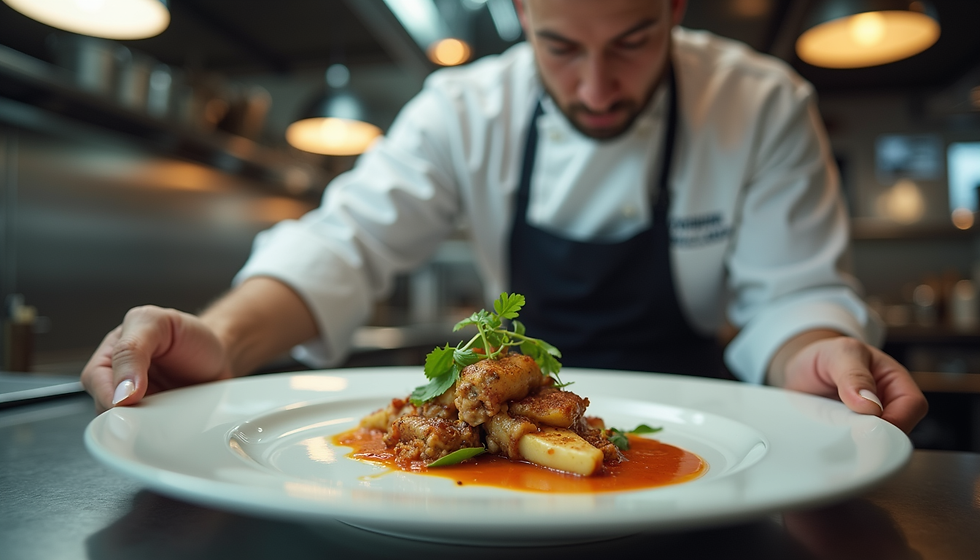
Plating and Presentation: We eat with our eyes first, after all. Note the artistry they put into the presentation. Does it have that fine-dining feel you’re after?
Service and Cleanup: Pay attention to how they serve the meal. Afterwards, your kitchen should be left absolutely spotless, almost as if they were never there. That’s the hallmark of a pro.
From a Successful Trial to a Solid Contract
When you find a chef who nails the trial, the next step is to make it official with a proper contract. A handshake is a nice gesture, but a detailed agreement is what truly protects both of you and makes sure everyone is on the same page from day one. It’s the foundation of a successful, long-term partnership.
A well-written contract is your best tool for preventing misunderstandings down the road. It should be a clear, straightforward document that covers every aspect of the role.
A contract isn’t about mistrust; it’s about professionalism. It establishes clear boundaries and expectations, which is the cornerstone of any successful working relationship in a private household. This clarity is essential for both parties to feel secure and respected.
Key Clauses for Your Private Chef Contract
Your agreement should always be tailored to your specific household, but there are a few non-negotiable clauses that must be included. These items provide the framework for a smooth and professional relationship. For more on the financial side of things, it’s worth taking a moment to learn why salary transparency is key in recruitment conversations.
Be sure your contract clearly spells out:
Scope of Duties: Detail everything you expect. This includes menu planning, grocery shopping, daily meal prep, catering for small events, and general kitchen management.
Compensation Structure: Specify the salary, how often it will be paid (weekly, monthly), and how you’ll handle overtime or work on public holidays. Also, include details on the food budget and how they should report expenses.
Work Schedule: Define the expected working hours, days off, and your policies for annual leave and sick days.
Confidentiality (NDA): A non-disclosure agreement is standard practice and absolutely essential for protecting your family’s privacy.
Termination Policy: Outline the notice period required from either party to end the agreement and the conditions under which the contract could be terminated.
Getting this level of detail sorted from the start builds the entire role on a solid, professional foundation. It’s all about creating an environment where a chef can come into your home and deliver their best work with total confidence.
Onboarding Your Chef for Seamless Integration
The contract is signed, the salary is set, and you’ve found the perfect culinary pro for your home. It’s easy to feel like the hard work is over, but this next step is arguably the most crucial for building a lasting, successful relationship. A thoughtful onboarding process is what turns a new hire into an indispensable part of your household.
This isn’t just about handing over the keys to the kitchen. It’s about laying the groundwork for a smooth partnership where your new chef understands your lifestyle, preferences, and the unique rhythm of your home right from day one. Skipping this can lead to friction and crossed wires later, but a bit of planning now builds a foundation of trust and respect that pays off immensely.

The Essential Kitchen Orientation
Your very first move should be a thorough kitchen orientation. Think of it less like a quick tour and more like a deep dive into their new workspace. A chef needs to know the "what" and "where" of everything, from the garlic press to the quirks of your oven.
Walk them through every drawer, cupboard, and pantry. Show them which china you prefer for family meals versus formal dinners. A chef’s creativity is unleashed in a well-understood kitchen, so it’s vital they know the tools they have to work with. Our guide on the essential private chef tools for home kitchens can be a great starting point for seeing if your setup is ready.
Make sure to show them how all the appliances work, especially anything high-tech or with unusual settings. This is also the perfect time to chat about their favourite suppliers for produce, meat, and fish, and to get accounts set up if needed. A smooth start here means they can hit the ground running and start creating amazing food straight away.
Establishing Clear Communication Protocols
Great communication is the lifeblood of any good client-chef relationship. It's vital to agree on clear channels right from the get-go. Decide how and when you'll talk about menus, schedules, and feedback.
Will you use a shared digital calendar for upcoming events?
Is a quick check-in each morning best, or do you prefer a weekly sit-down meeting?
If you have other staff, who is their main point of contact for different issues?
Establishing these protocols early prevents confusion. This is particularly important in households with other staff, ensuring the chef knows the hierarchy and communication flow.
A common friction point I've seen is misaligned communication. Setting up a dedicated WhatsApp group for a household or scheduling a firm 30-minute meeting every Monday morning to plan the week's menus can make a world of difference. It removes guesswork and ensures everyone feels heard.
This initial period is also your chance to align your culinary vision. Tastes are always evolving; for instance, over 65% of UK private chefs now report a focus on locally sourced ingredients. While international cuisine remains popular, personalised wellness and specific dietary plans are the fastest-growing demands. To learn more about this shift, check out these insights on how UK private chefs are embracing local food. Discussing these preferences ensures your chef can deliver the #finecuisine and #gourmetfood you’re truly looking for.
Balancing Expectations with Creative Freedom
When you hire a top-tier #personalchef, you’re not just hiring a pair of hands—you're bringing on their creativity, experience, and #chefskills. It’s so important to strike a balance between giving clear direction and allowing them space to innovate. Give them a list of your favourite dishes and dietary needs, but also make a point to ask what they love to cook.
Encourage them to propose new ideas or a "chef's special" once a week. This gesture shows you trust their professional judgement and value their artistry. A chef who feels creatively fulfilled is far more engaged and passionate, which always leads to more exciting and delicious meals for you and your family. For my international clients at www.chefandyb.com, this collaborative approach is key to creating memorable #luxurydining experiences.
This partnership turns a simple service into a true culinary journey. It’s this synergy that defines an exceptional #privatechefservices experience, making every meal—from a quiet family dinner to a grand #dinnerpartychef event—a resounding success. A thoughtful onboarding process is what transforms your home into a hub of incredible #foodstagram-worthy moments. #privatechef #chefsofinstagram #hireaprivatechef #chefslife #privatecatering #eventcatering #foodphotography #chefstable #ukprivatechef #bristolchef #luxuryevents #instafood
A Few Final Questions About Hiring a Private Chef
Alright, we’ve covered a lot of ground. But I know from experience that there are always a few lingering questions that pop up just as you’re about to start your search. If you’re seriously thinking of looking for a private chef in London, let's tackle these common queries head-on.
These aren't just textbook answers; they come from years of being in the kitchens of private clients and understanding what truly makes these relationships work.
Live-In vs. Live-Out: What’s the Real Difference?
This is a big one, and it really comes down to what your life looks like. Are you looking for flexibility, or do you prefer a clear boundary between work and home life?
A live-out chef is your classic professional. They commute to your home for agreed-upon hours, much like any other job. This creates a very natural separation and works brilliantly if your schedule is fairly predictable—think daily family meals and the occasional weekend gathering.
A live-in chef, on the other hand, resides on your property. This offers incredible flexibility. It’s the perfect setup for households with unpredictable schedules, a lot of last-minute entertaining, or frequent travel. From what I’ve seen in the industry, you should expect to budget around 15-25% more for a live-in role. This fairly compensates for the accommodation and the on-call nature of the position.
How Much Should a Private Chef Manage in the Kitchen?
A top-tier private chef shouldn't just cook; they should command the entire culinary side of your home. When I step into a client’s residence, my goal is to make everything food-related feel completely seamless, so you can just sit back and enjoy.
This goes way beyond simply putting food on a plate. Your chef’s domain should absolutely include:
Total Menu Curation: Proactively planning weekly menus based on your tastes, recent feedback, and any upcoming social plans.
Sourcing and Supplier Management: Building relationships with London's best butchers, fishmongers, and produce suppliers to get the absolute finest ingredients.
Budgeting and Reporting: Keeping a meticulous eye on all food-related spending and providing you with clear, professional reports.
Kitchen Hygiene and Organisation: Maintaining your kitchen to the highest professional standard of cleanliness. It should be spotless at all times.
A true #privatechefservices professional aims to take every single bit of stress about food off your shoulders. You shouldn’t be worrying about the shopping list; you should just be looking forward to the delicious #gourmetfood to come.
This is the level of excellence that professionals like myself at www.chefandyb.com bring to every job, ensuring you get a truly effortless #luxurydining experience.
What About Last-Minute Dinner Parties or Special Requests?
Flexibility is the name of the game for an elite #personalchef. Handling pop-up requests with a calm, can-do attitude is a core part of the role.
The best way to handle this is to set some ground rules in your contract from day one. For example, you might agree on a minimum notice period for events over a certain number of guests. While a great chef is always adaptable, having clear communication prevents any confusion.
For a genuinely last-minute request, there may be extra costs to cover bringing in another pair of hands or sourcing premium ingredients at short notice. A seasoned #dinnerpartychef will have a network of trusted suppliers and even front-of-house staff they can call on, ensuring even the most spontaneous #luxuryevents are a stunning success.
Do I Need to Buy Specialist Kitchen Equipment?
Most high-end London homes are already beautifully equipped. However, to get the most out of your chef’s #chefskills, they might need a few specific tools for certain techniques—think a sous-vide machine, a Pacojet for incredible ice creams, or a high-performance blender.
This is a great conversation to have during the interview or trial dinner. Many chefs (myself included) travel with a personal kit of essentials, especially our own knives. For a long-term residency, though, I always suggest setting aside a small budget for a few key pieces of kit. Think of it this way: giving your chef the right tools is a direct investment in the quality and creativity of the #finecuisine they produce for you.
I hope this guide has given you the insight and confidence to find the perfect culinary partner for your home. If you're looking for an exceptional professional for private dining, residencies, or #eventcatering, I invite you to see the services we offer at Chef Andy B.
Discover how we can bring world-class cuisine to your table by visiting www.chefandyb.com. #privatechef #personalchef #luxurydining #chefsofinstagram #privatechefservices #hireaprivatechef #chefslife #finecuisine #gourmetfood #privatecatering #eventcatering #foodphotography #chefstable #dinnerpartychef #ukprivatechef #bristolchef #luxuryevents #foodstagram #instafood #chefskills
Comments